

Home Assessments in Life Care Planning: When Seeing the Home Changes the Care Plan
Key Insight
A home assessment allows a life care planner to observe how medical impairments interact with the individual’s actual living environment. Environmental barriers, safety risks, and functional limitations may not be apparent through medical records or virtual interviews alone, and in some cases these observations can significantly influence long-term care recommendations.
Learn how home assessments in life care planning can reveal safety risks and functional limitations not always apparent in virtual evaluations.
In catastrophic injury cases, life care planners rely on medical records, clinical evaluations, and interviews to project future care needs. While these sources provide important information, they do not always capture how an individual actually functions within their living environment.
A home assessment in life care planning can provide important context by evaluating how medical impairments interact with the individual’s daily living environment. Observing the home setting may reveal safety risks, accessibility barriers, or functional limitations that are not always apparent through medical records or virtual interviews.
In some cases, these findings may significantly influence the scope of future care recommendations.
Key Takeaways for Attorneys
- A home assessment in life care planning may reveal safety risks and functional limitations not fully apparent in medical records or interviews.
- Virtual evaluations can provide useful information, but certain functional testing and environmental safety concerns may only be identified through in-person assessment.
- Observing the home environment and performing objective functional testing can influence life care plan recommendations in some cases.
Why the Home Environment Matters in Life Care Planning
Life care planning methodology integrates medical information, functional capacity, and environmental context when evaluating future care needs.
Medical records and clinic-based evaluations typically occur in controlled settings. However, the home environment often presents different challenges that affect safety and independence. Factors such as stairs, bathroom configuration, clutter, and mobility within the home can influence how safely an individual performs daily activities.
For this reason, a home evaluation as part of life care planning can help clarify how an individual’s impairments affect their real-world functioning.
Virtual vs. In-Person Home Assessments
Home assessments may be conducted virtually or in person, depending on the circumstances of the case.
Virtual assessments can provide useful information, particularly when distance, cost considerations, or client preference make travel impractical. However, certain aspects of functional evaluation may be limited in a virtual setting.
An in-person home assessment allows the life care planner to directly observe environmental safety concerns and perform objective functional testing that cannot be reliably conducted virtually.
Case Illustration: When Seeing the Home Changed the Life Care Plan
A 70-year-old woman sustained multiple injuries in a motor vehicle accident. Medical records primarily documented orthopedic injuries and chronic pain but with a mild traumatic brain injury (mTBI).
Due to the distance between the evaluator and the client’s residence, the initial evaluation was conducted virtually. During that assessment, the individual appeared fatigued and reported pain but described herself as maintaining a fairly good level of independence.
Based on the information available at that time, the preliminary life care plan included:
- weekly housekeeping assistance
- bathroom adaptive equipment
However, when an in-person home assessment was later conducted, the evaluation revealed a significantly different picture.
Environmental Findings
Direct observation of the home environment identified:
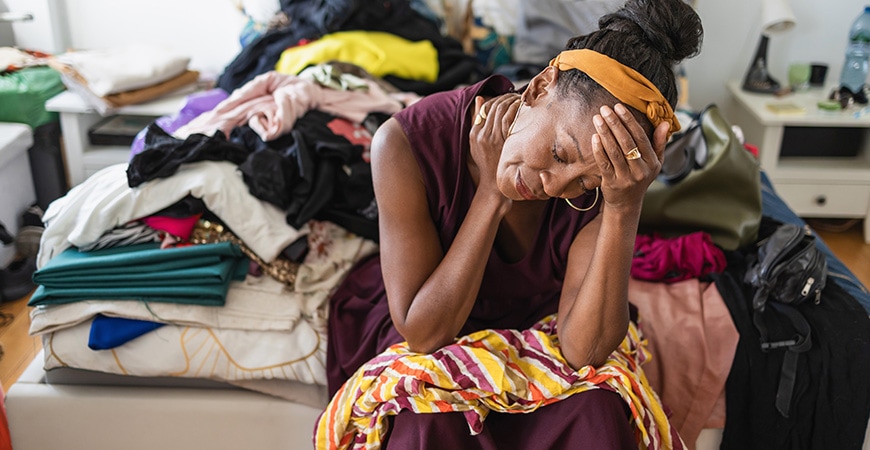
- a highly disorganized living environment with multiple fall hazards
- bathroom configuration presenting significant safety risks
- the individual living alone without consistent assistance
Functional Testing
The in-person home evaluation also allowed for objective functional testing that could not be performed during the virtual assessment, including:
- balance testing
- fall risk screening
- strength testing of injured areas of the body
- grip strength measurement
- self-care transfer assessment
- administration of the standardized Independent Living Scales (ILS)
While the individual presented as relatively independent during the virtual interview, the combination of environmental observation and objective testing revealed safety concerns and functional limitations that were not apparent during the virtual evaluation.
Impact on Life Care Plan Recommendations
Following the in-person home assessment and functional testing, the life care plan recommendations were revised to include:
- daily home care assistance, rather than weekly housekeeping support
- home modifications to improve accessibility and reduce fall risk
In this case, the home assessment significantly influenced the understanding of the individual’s safety risks and long-term care needs.
Practice Insight for Attorneys
When reviewing life care planning opinions, it may be helpful to consider whether the individual’s home environment has been evaluated.
A home assessment may reveal environmental safety risks, functional limitations, or support needs that are not fully captured through medical records or interviews alone. In some cases, the absence of a home assessment may leave important aspects of daily functioning unexplored.
Conclusion
A home assessment in life care planning can provide valuable insight into how medical impairments affect an individual’s ability to function safely within their living environment.
While virtual evaluations may provide useful information in certain circumstances, in-person home assessments may allow for environmental observation and objective functional testing that cannot be performed remotely.
When appropriate, incorporating a home evaluation into the life care planning process can help ensure that future care recommendations reflect the individual’s real-world circumstances and safety needs.
Life care planners frequently consider environmental context as part of their evaluation methodology when assessing long-term care needs in complex injury cases.
Frequently Asked Questions About Home Assessments in Life Care Planning
What is a home assessment in life care planning?
A home assessment evaluates how an individual’s medical impairments interact with their living environment. The evaluation may include observation of environmental safety risks, accessibility barriers, and functional performance within the home.
Why might a life care planner conduct an in-person home assessment?
An in-person home assessment allows the evaluator to observe environmental safety concerns and perform objective functional testing such as balance testing, strength testing, and standardized assessments that may not be possible during a virtual evaluation.
Are virtual life care planning evaluations acceptable?
Virtual evaluations may be appropriate when distance, cost considerations, or client preference make travel impractical. However, some environmental and functional elements may be more difficult to evaluate remotely.
How can a home assessment affect life care plan recommendations?
Observing the home environment and performing functional testing may identify safety risks or functional limitations that influence recommendations for assistance, home modifications, or other supportive services.
Meet Our Expert
Wendy Harper, MS, OT/L, CLCP
Occupational Therapist | Certified Life Care Planner | Functional Capacity Evaluator

Wendy Harper, OTR/L, CLCP is a Certified Life Care Planner with Turning Point Life Care Planning based in Virginia. As an occupational therapist and life care planner, she evaluates functional capacity, environmental safety, and long-term care needs in complex medical-legal cases involving catastrophic injury and chronic disability. She works with both plaintiff and defense attorneys in matters requiring objective life care planning analysis.
